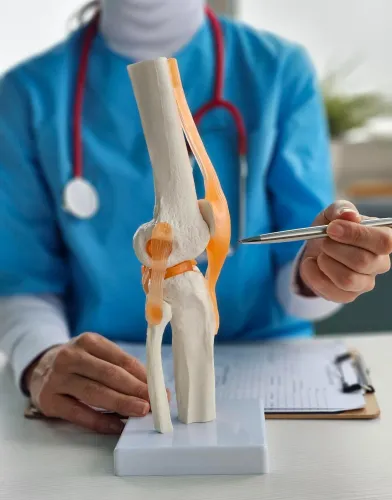

A hip fracture is a serious orthopaedic injury, particularly in older adults, and should not be treated as a simple fracture that can safely wait for several days. Hip fractures can significantly affect a person’s ability to stand, walk and perform everyday activities. Prompt medical assessment and appropriate treatment are important because prolonged immobilization can contribute to complications and loss of independence.
For many older adults, surgery is the usual treatment for a hip fracture, although the exact procedure depends on the fracture pattern, overall health, age, activity level and other medical conditions. The American Academy of Orthopaedic Surgeons (AAOS) states that hip fracture surgery within 24–48 hours of admission may be associated with better outcomes, provided the patient is medically suitable for surgery.
Timely treatment can also help patients begin rehabilitation and mobilization sooner. Prolonged bed rest may increase the risk of complications such as blood clots, chest complications, pressure injuries, muscle weakness and loss of mobility. Current hip-fracture care therefore often involves a multidisciplinary team, including orthopaedic surgeons, physicians, anaesthesia teams, physiotherapists and nursing professionals.
Importantly, “timely” does not mean that every patient should undergo surgery immediately without medical preparation. Conditions such as uncontrolled medical problems may need to be stabilized first. The timing of surgery should be decided by the treating team according to the patient's medical condition and surgical requirements.
For families in Andheri West, Mumbai, recognizing a possible hip fracture after a fall is important. Severe hip or groin pain, inability to stand or walk, or an apparently shortened or externally rotated leg after a fall should prompt urgent medical evaluation.
Frequently Asked Questions [ FAQ's]
1. Is a hip fracture an emergency?
Yes. A suspected hip fracture requires prompt medical assessment, particularly in older adults.
2. Does every hip fracture require surgery?
Many hip fractures are treated surgically, but the appropriate treatment depends on the fracture type and the patient's overall health. Treatment should be individualized.
3. How soon should hip fracture surgery be performed?
AAOS guidance indicates that surgery within 24–48 hours of admission may be associated with better outcomes, when medically appropriate.
4. Why is early mobilization important?
After appropriate fracture treatment, early mobilization and rehabilitation can help reduce problems associated with prolonged immobility and support recovery.
5. Can hip fractures be treated without surgery?
In selected circumstances, non-operative treatment may be considered, but this depends on the fracture and the patient's medical situation. An orthopaedic assessment is essential.
6. Where should I seek treatment for a hip fracture in Andheri West?
A suspected hip fracture should be assessed urgently at an appropriate medical facility. For ongoing orthopaedic consultation and follow-up in Andheri West, Mumbai, patients can consult Dr. Ankit Mittal orthopaedic specialist.
Timely diagnosis, appropriate treatment and early rehabilitation can play an important role in helping patients recover mobility after a hip fracture.
For many older adults, surgery is the usual treatment for a hip fracture, although the exact procedure depends on the fracture pattern, overall health, age, activity level and other medical conditions. The American Academy of Orthopaedic Surgeons (AAOS) states that hip fracture surgery within 24–48 hours of admission may be associated with better outcomes, provided the patient is medically suitable for surgery.
Timely treatment can also help patients begin rehabilitation and mobilization sooner. Prolonged bed rest may increase the risk of complications such as blood clots, chest complications, pressure injuries, muscle weakness and loss of mobility. Current hip-fracture care therefore often involves a multidisciplinary team, including orthopaedic surgeons, physicians, anaesthesia teams, physiotherapists and nursing professionals.
Importantly, “timely” does not mean that every patient should undergo surgery immediately without medical preparation. Conditions such as uncontrolled medical problems may need to be stabilized first. The timing of surgery should be decided by the treating team according to the patient's medical condition and surgical requirements.
For families in Andheri West, Mumbai, recognizing a possible hip fracture after a fall is important. Severe hip or groin pain, inability to stand or walk, or an apparently shortened or externally rotated leg after a fall should prompt urgent medical evaluation.
Frequently Asked Questions [ FAQ's]
1. Is a hip fracture an emergency?
Yes. A suspected hip fracture requires prompt medical assessment, particularly in older adults.
2. Does every hip fracture require surgery?
Many hip fractures are treated surgically, but the appropriate treatment depends on the fracture type and the patient's overall health. Treatment should be individualized.
3. How soon should hip fracture surgery be performed?
AAOS guidance indicates that surgery within 24–48 hours of admission may be associated with better outcomes, when medically appropriate.
4. Why is early mobilization important?
After appropriate fracture treatment, early mobilization and rehabilitation can help reduce problems associated with prolonged immobility and support recovery.
5. Can hip fractures be treated without surgery?
In selected circumstances, non-operative treatment may be considered, but this depends on the fracture and the patient's medical situation. An orthopaedic assessment is essential.
6. Where should I seek treatment for a hip fracture in Andheri West?
A suspected hip fracture should be assessed urgently at an appropriate medical facility. For ongoing orthopaedic consultation and follow-up in Andheri West, Mumbai, patients can consult Dr. Ankit Mittal orthopaedic specialist.
Timely diagnosis, appropriate treatment and early rehabilitation can play an important role in helping patients recover mobility after a hip fracture.
Keywords