Clear aligners suit selected tooth and bite problems, but a discreet appearance alone does not make someone a suitable candidate. By the end, you will know which movements aligners handle well, which health and compliance factors can rule them out, and what an orthodontic assessment must check before treatment begins.
Key takeaways
- Clear aligners suit many mild-to-moderate spacing, crowding and bite problems.
- An orthodontist checks your teeth, gums, bite, jaw and treatment goals first.
- Wear aligners for the prescribed hours and remove them before eating.
- Retainers and follow-up protect your result after active aligner treatment ends.
What Counts as Invisible Braces, and Which Problems Can They Treat?
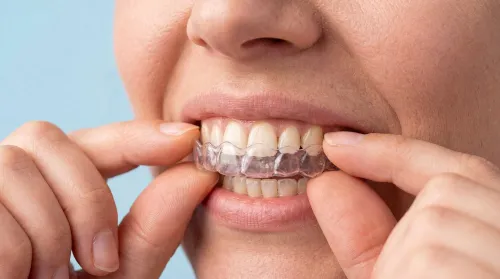
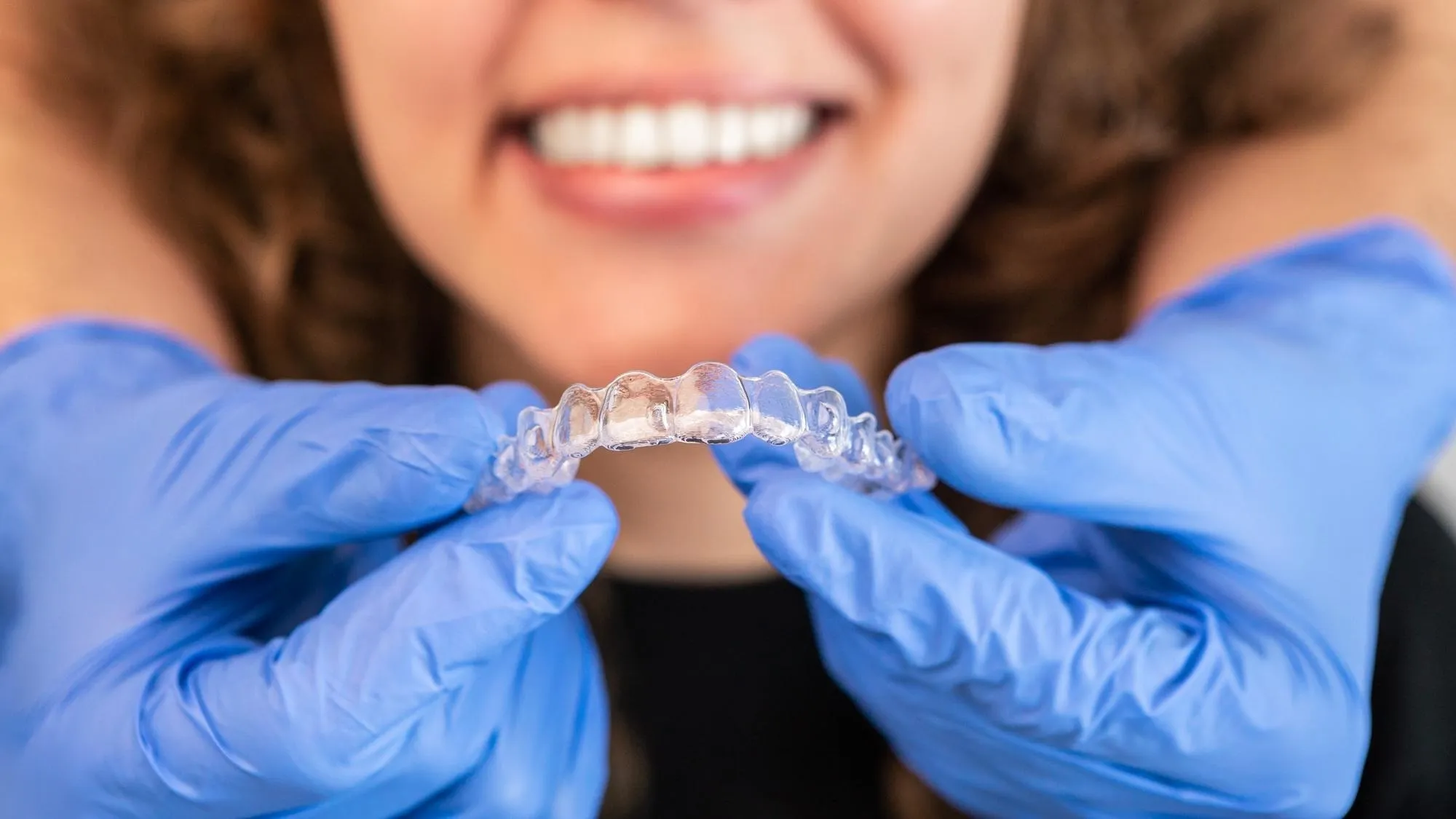
Invisible braces usually means a series of clear aligners: removable transparent trays that apply planned pressure to the teeth. Fixed lingual braces sit behind the teeth on their tongue-side surfaces, so they are not removable and follow different rules for cleaning, speech, comfort and movement control.
| Option | What it means | Common use |
|---|---|---|
| Clear aligners | Removable transparent trays changed in sequence | Mild-to-moderate crowding or spacing and selected bite corrections |
| Lingual braces | Fixed brackets and wires behind the teeth | Cases needing fixed-appliance control while keeping braces less visible |
Clear aligners can treat mild-to-moderate crowding, gaps, and selected overbites, underbites and crossbites. Attachments, elastics or interproximal reduction may be needed, so the appliance is not always completely invisible.
Aligners cannot predictably correct every jaw-size or skeletal discrepancy. Large tooth rotations, substantial vertical movements and complex extraction cases may require fixed appliances, attachments, elastics or a combined approach. Marked jaw discrepancies can need growth modification in children or surgical-orthodontic treatment in adults.
Adults can be candidates when their teeth, gums and supporting bone are healthy; age alone is not a general exclusion. Untreated gum disease, active cavities, inadequate space or impacted teeth can change the plan.
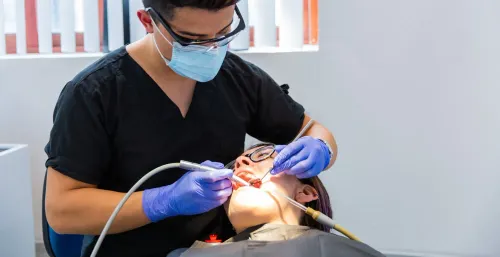
Only a clinical assessment can determine whether the planned movement is predictable enough for aligners. A dentist or orthodontist must examine your teeth, bite, gums and supporting structures before selecting an appliance.
What Does an Orthodontic Suitability Assessment Check?
An orthodontic assessment determines whether invisible braces can move your teeth safely and predictably, not simply whether your smile looks suitable in photographs.
The clinician checks:
- Teeth for active cavities, cracks, defective restorations and inadequate space.
- Gum health and oral hygiene, because moving teeth through inflamed tissues raises the risk of enamel damage, gum attachment loss and recession.
- Your bite, including overbite, underbite, crossbite, midline shift and how the jaws meet.
- Tooth rotations, spacing and crowding, including extensive rotations that clear aligners may not control reliably.
- Impacted teeth screening, especially when a tooth has not erupted or appears absent.
| Record | What it checks | Why it matters |
|---|---|---|
| Photographs | Tooth position, gums and facial balance | Shows visible alignment but not hidden disease |
| Intraoral scan or impressions | Tooth surfaces and the proposed tray fit | Creates the digital or physical model for planning |
| Dental X-rays | Roots, bone levels, impacted or unerupted teeth, restorations and jaw structures | Detects problems that could make movement unsafe |
Photographs or an intraoral scan alone cannot reliably show shortened roots, reduced supporting bone, decay between teeth or pathology beneath the gums. Dental X-rays are selected when the examination raises those questions; they are not automatically needed for every person.
Postpone aligners until active cavities, uncontrolled gum disease or poor hygiene are treated. A clinician may reject aligners for severe jaw discrepancies, impacted teeth, inadequate space or movements involving extensive rotations; fixed braces, space creation or jaw treatment may offer better control.
At Shanthi Orthopaedic And Dental Clinic, ask which records are needed and which finding would make another appliance more suitable.
Related service
Dental services Invisalign and Aligners/ Braces -Metal/ceramic/self-ligating Invisalign, Clear Aligners & Braces at Shanthi Orthopaedic and Dental Clinic Achieve a straighter, healthier-looking smile with professional... View service → |
What Must You Do Every Day for Aligners to Work?
Removable does not mean optional in practice. Aim for the prescribed daily wear period, commonly 22 hours per day, and follow your clinician’s tray-change schedule rather than switching early or extending a tray without instructions. Attend review appointments too; removable trays still require checks for tooth movement and fit.
- Remove the aligners for meals and hot drinks. Heat can distort the plastic, and food trapped beneath a tray increases plaque and decay risk.
- Brush your teeth before reinserting the trays. Clean between your teeth as instructed, then rinse the aligners according to the cleaning directions you were given.
- Drink only plain water while wearing them. Sugary or acidic drinks held under an aligner keep that damaging environment against the enamel for longer.
- Keep the trays in their case whenever they are out. A napkin is easily thrown away, while loose trays can be lost, stepped on or damaged.
- Report a cracked, lost, unusually tight or loose tray promptly. Do not quietly skip to the next one; your clinician may tell you to repeat an earlier tray or arrange refinement.
Poor aligner wear compliance can cause poor tracking, loose or tight trays, treatment delays and extra scans or aligners. Children, teenagers and adults must all follow the sequence, attend reviews and report problems quickly; motivation alone is not enough if daily wear is impractical.
How Do Invisible Aligners Compare with Other Brace Options?
Discreet does not mean easier. Clear aligners simplify brushing, flossing and eating, but they work only when you wear them for the prescribed hours, usually about 22 each day.
| Option | Speech and appearance | Control and appointments | Food and hygiene | Main limitation |
|---|---|---|---|---|
| Clear aligners | Usually subtle; attachments, elastics or small gaps can show. Speech may change briefly. | Removable; requires tray changes and review appointments. Compliance controls progress. | Remove for meals and drinks other than plain water; brushing and flossing are easier. | Tooth movement may require attachments, elastics or interproximal reduction. |
| Metal braces | Visible and fixed; speech is usually less affected. | Strong control for complex movements; regular adjustment appointments. | Food restrictions and careful cleaning around brackets and wires. | More noticeable and harder to clean. |
| Ceramic braces | Less noticeable than metal braces; fixed. | Keeps fixed-appliance control with adjustment appointments. | Similar food and hygiene demands to metal braces. | Brackets can stain or break. |
| Self-ligating braces | Fixed and similarly visible to conventional braces. | Does not depend on tray wear; requires adjustment appointments. | Careful cleaning remains essential; food restrictions continue. | Removability does not solve hygiene problems. |
| Lingual braces | Fixed behind the teeth; tongue irritation and altered speech can occur during adaptation. | Avoids removal problems but requires suitable specialist experience. | Difficult cleaning; food management remains important. | Tongue discomfort and speech changes can persist during adjustment. |
For a lingual braces comparison, ask whether your clinician has appropriate experience with the system, not only whether it is hidden. Fixed options suit people who struggle with compliance, while aligners suit people who can manage daily wear and want easier routine hygiene.
No appliance is automatically best for every movement. Large rotations, substantial vertical movements and complex bite corrections may require fixed braces, auxiliaries or a combined plan. Cost should not decide suitability without comparing control, cleaning demands, appointments and treatment reliability.
What Risks and Follow-Up Continue After the Trays?
Finishing the planned trays does not mean treatment is complete. Temporary tenderness is common, but aligner treatment risks also include plaque-related enamel demineralisation, gum inflammation, gum recession, root shortening and relapse. Removable trays make brushing and flossing easier; they do not protect teeth from decay when hygiene is poor.
| Stage | What can happen | What you may need |
|---|---|---|
| During active movement | Tenderness, plaque build-up or inflammation | Better cleaning and review |
| After planned trays | Teeth fail to move as predicted | Additional scans, refinement trays or a revised sequence |
| After active movement | Teeth drift towards their former positions | Retainers and long-term follow-up |
An aligner count is not a guaranteed completion date. A lost or damaged tray, poor tracking or a tooth that responds differently can extend the projected timeline. Your clinician may ask you to repeat an earlier tray before starting a refinement sequence.
Retainers are part of orthodontic retention, not an optional final accessory. Many patients need night-time wear long term or indefinitely, and replacement retainers are needed as the plastic wears out.
Choose invisible aligners only if you can:
- Maintain daily brushing, flossing and gum care.
- Wear trays for the prescribed hours.
- Attend reviews and report loose, painful or damaged trays.
- Accept retainer wear after active treatment.
Frequently asked questions
What counts as invisible braces, and which problems can they treat?
Invisible braces usually refers to removable clear aligners. They can treat many mild-to-moderate spacing, crowding and bite problems, while fixed lingual braces are bonded behind the teeth and follow different cleaning and movement rules.
What does an orthodontic suitability assessment check?
The assessment checks your teeth, gums, bite, jaw relationship, oral hygiene, treatment goals and the type and complexity of tooth movement required.
What must you do every day for aligners to work?
Wear each tray for the prescribed daily hours, remove it for eating, clean your teeth before replacing it, clean the tray as instructed and attend scheduled reviews.
How do invisible aligners compare with other brace options?
Aligners are removable and discreet but depend on consistent wear. Fixed braces provide continuous force, while lingual braces remain behind the teeth and require different cleaning and speech adjustments.
What risks and follow-up continue after the trays?
Treatment can involve temporary pressure, soreness, speech changes, gum irritation or tracking problems. After active treatment, retainers and follow-up are needed to reduce unwanted tooth movement.