Knee pain can interfere with walking, stairs, exercise, work, and even basic movements such as standing from a chair. Because many different structures can cause similar symptoms, persistent knee problems should not be treated solely according to where the pain is felt.
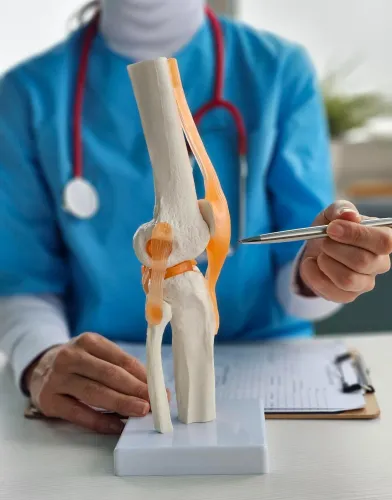
A knee pain specialist evaluates symptoms in relation to the joint's bones, cartilage, menisci, ligaments, tendons, muscles, and movement mechanics.
For patients in Andheri East, Maharashtra, knowing the signs that require assessment can help prevent prolonged uncertainty.
Knee Pain Has Many Possible Causes
Pain may develop because of an acute injury, repetitive loading, age-related degeneration, sports activity, or another underlying condition.
Potential causes can include ligament injuries, meniscal problems, tendon disorders, kneecap-related conditions, osteoarthritis, fractures, and inflammatory conditions.
This is why a diagnosis based only on symptoms described online is unreliable.
Warning Signs Worth Evaluating
Arrange an assessment when you experience:
- Persistent or worsening knee pain
- Repeated swelling
- Difficulty bending or straightening the knee
- Locking
- Catching sensations
- Giving way
- Pain while climbing stairs
- Difficulty walking
- Symptoms after a twisting injury
- Reduced ability to exercise
Severe trauma, obvious deformity, inability to bear weight, or significant acute swelling requires prompt medical attention.
What Happens During Assessment?
The consultation usually begins with the history of the problem.
The clinician may ask when pain began, whether there was an injury, where discomfort is located, which movements aggravate it, and whether swelling or instability occurs.
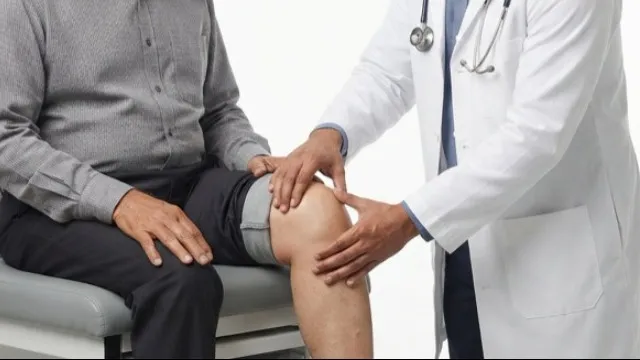
Physical examination can evaluate tenderness, range of movement, stability, strength, alignment, and functional movement.
Imaging is selected when clinically necessary. X-rays and MRI scans provide different types of information and are not automatically required for every case.
Treatment Does Not Automatically Mean Surgery
Many knee problems can initially be managed without an operation.
Depending on diagnosis and severity, treatment might include activity modification, physiotherapy, strengthening, medication, weight management where relevant, or other targeted interventions.
Surgery may be considered when structural damage, advanced disease, persistent disability, or failure of suitable conservative treatment makes it appropriate.
Do Not Ignore Rehabilitation
Strong muscles around the knee and hip contribute to movement control and joint function.
Rehabilitation may address mobility, strength, balance, walking mechanics, and gradual return to normal activity.
The programme should match the diagnosis rather than relying on generic exercises.
Know When You Are Ready for Specialist Care
If knee symptoms are affecting work, sleep, exercise, mobility, or independence, an evaluation can clarify the next step.
Shanthi Orthopaedic And Dental Clinic provides orthopaedic assessment for patients with persistent knee and musculoskeletal concerns.
For patients in Andheri East, the goal of seeing a knee pain specialist is not simply to obtain temporary pain relief. It is to determine why the knee hurts, understand how severely function is affected, and select treatment appropriate to the underlying condition.
Keywords