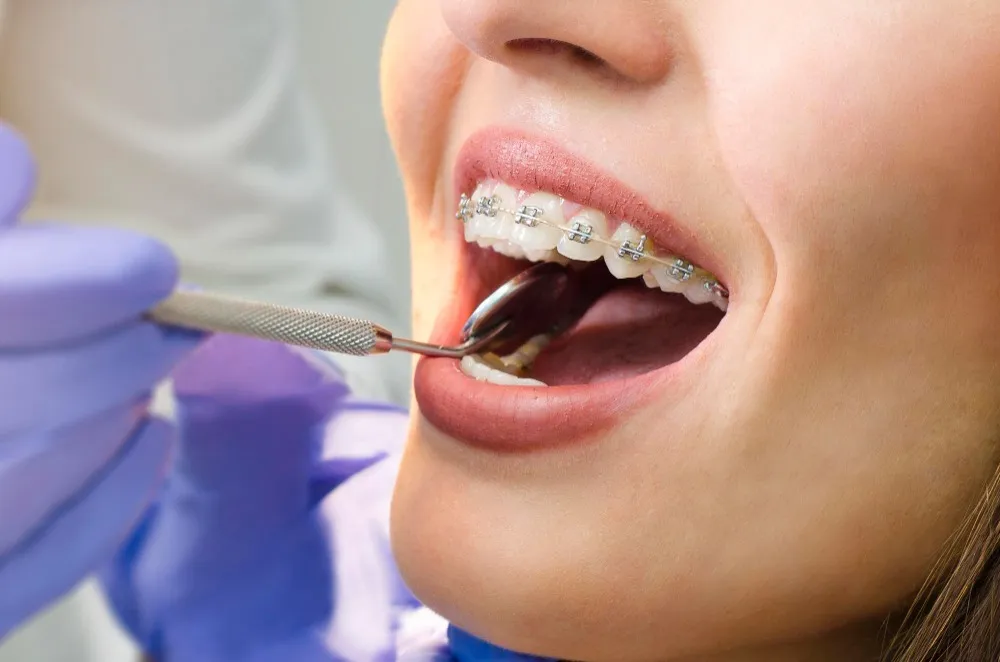
Teeth that are crowded, widely spaced, protruding, or positioned unevenly can affect more than appearance. Alignment problems may make certain areas difficult to clean, affect the way the upper and lower teeth meet, or contribute to uneven tooth wear. An orthodontist evaluates these concerns and determines whether orthodontic treatment may improve dental alignment and bite function.
For patients in Andheri, Maharashtra, understanding when an orthodontic assessment is appropriate can help them seek care before alignment problems become more difficult to manage.
What Does an Orthodontist Treat?
Orthodontic care focuses on the position of teeth and the relationship between the jaws. Common reasons for an evaluation include:
- Crowded or overlapping teeth
- Noticeable gaps between teeth
- Protruding front teeth
- Crossbite
- Deep bite
- Open bite
- Teeth that have shifted over time
- Difficulty maintaining hygiene because of crowding
- Concerns about smile alignment
Not every irregular tooth position requires extensive treatment. The purpose of an assessment is to understand the problem and determine whether treatment is necessary.
Why Bite Alignment Matters
A properly functioning bite helps distribute chewing forces across the teeth. When teeth meet unevenly, certain teeth may receive greater pressure than others.
Orthodontic treatment may be considered to improve tooth positioning, create a more manageable bite, and make routine brushing and flossing easier in crowded areas.
Appearance is often an important reason people seek orthodontic care, but treatment planning should also consider dental function and long-term oral health.
What Happens During an Orthodontic Assessment?
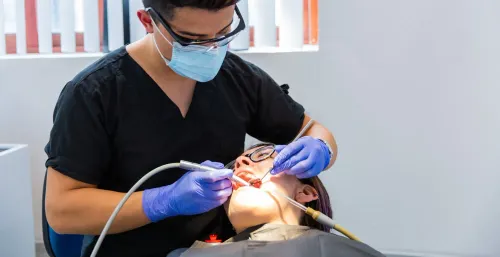
The first evaluation usually involves examining tooth alignment, bite relationships, jaw position, gum health, and available space.
Depending on the case, diagnostic records such as photographs, dental scans, impressions, or X-rays may be recommended. These help establish the exact position of teeth and supporting structures.
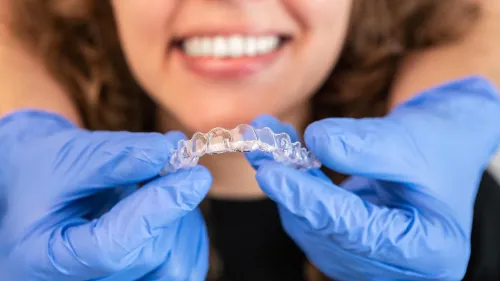
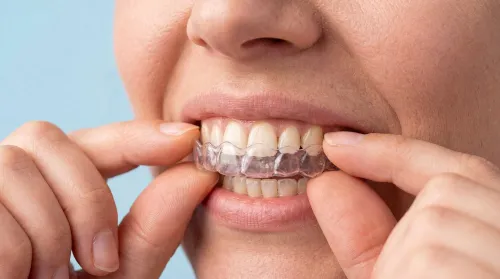
The clinician can then explain whether braces, clear aligners, another orthodontic approach, or simple observation is appropriate.
Can Adults Have Orthodontic Treatment?
Yes. Orthodontic care is not limited to children and teenagers.
Adults may seek treatment for teeth that were never corrected earlier, teeth that have gradually shifted, gaps, crowding, or bite concerns. However, adult treatment planning requires careful attention to gum health, existing crowns, missing teeth, restorations, and other dental conditions.
A dental assessment before beginning orthodontic movement is therefore important.
When Should Children Be Evaluated?
Some orthodontic problems become noticeable while permanent teeth are still developing. Parents may notice unusual spacing, severe crowding, protruding teeth, difficulty biting, or an abnormal relationship between the upper and lower jaws.
An early assessment does not automatically mean immediate braces. In many cases, monitoring dental development is the appropriate approach until treatment becomes beneficial.
Choosing Care Based on Diagnosis
Orthodontic treatment should not begin simply because one particular appliance appears convenient or attractive. The correct treatment depends on the individual bite, tooth position, oral health, age, and expected tooth movement.
At Shanthi Orthopaedic And Dental Clinic, patients can have their dental concerns assessed before an appropriate treatment pathway is discussed.
For people in Andheri considering orthodontic care, a professional evaluation can clarify whether treatment is required, what type of correction is realistic, and how oral health should be maintained throughout the process.
Keywords