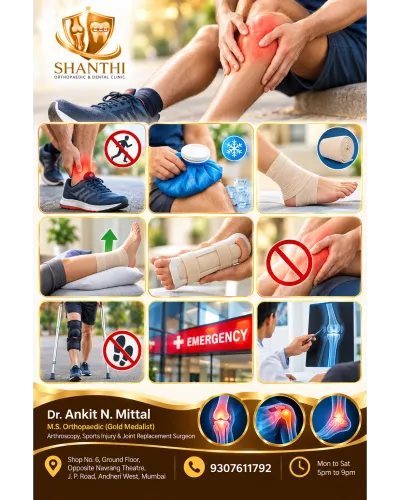
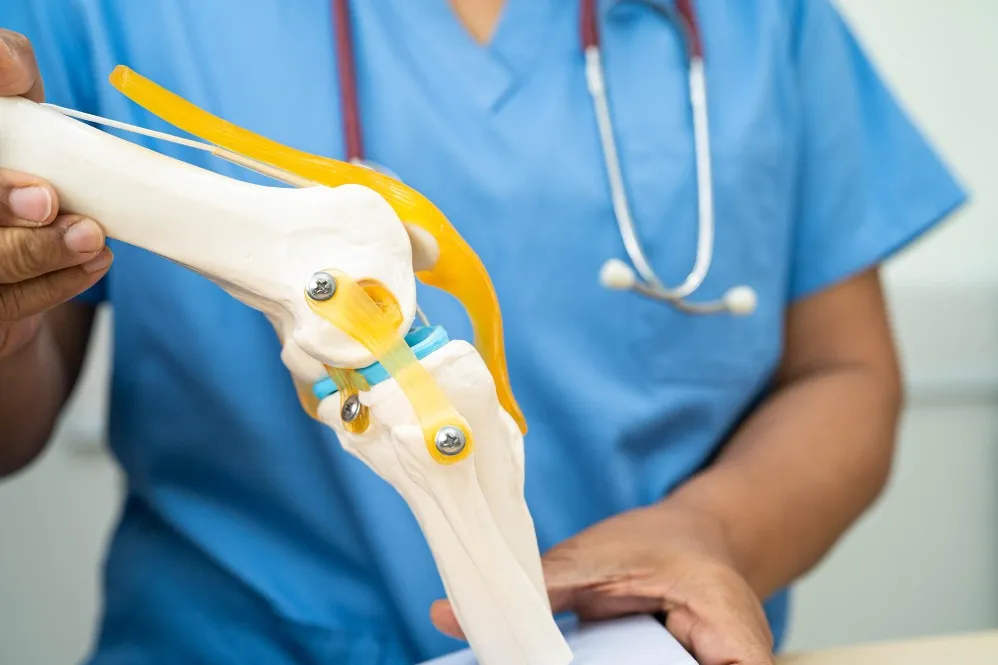
Joint pain can follow an injury, develop gradually with age, or appear after repetitive physical activity. While minor discomfort may improve with temporary rest, persistent symptoms deserve proper evaluation.
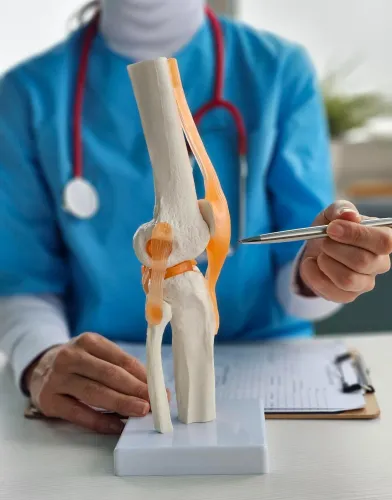
An orthopaedic doctor can assess the musculoskeletal system, identify the likely cause of symptoms, and recommend treatment according to the diagnosis.
For patients in Oshiwara, Maharashtra, several signs can indicate that it is time to arrange an orthopaedic consultation.
Pain Is Lasting Longer Than Expected
Short-lived discomfort after unfamiliar physical activity may settle naturally. Pain that continues for days or weeks, repeatedly returns, or progressively becomes worse requires more attention.
Persistent pain can arise from joint degeneration, tendon problems, ligament injuries, cartilage damage, inflammation, or other musculoskeletal conditions.
Movement Is Becoming Difficult
Pain becomes particularly important when it starts interfering with function.
You may notice difficulty:
- Walking normal distances
- Climbing stairs
- Getting out of a chair
- Raising an arm
- Bending a knee
- Standing for prolonged periods
- Exercising
- Performing work-related movements
Functional limitation provides valuable information about the severity and nature of the problem.
The Joint Is Swollen
Swelling can develop after an acute injury or because of inflammation within or around a joint.
Persistent swelling should be assessed, especially when accompanied by pain, warmth, stiffness, instability, or reduced movement.
Sudden severe swelling with other concerning symptoms may require more urgent medical attention.
A Joint Keeps Giving Way
Repeated instability can occur when supporting structures are injured or when muscle control has not recovered properly after an earlier injury.
The knee and ankle are common examples.
Ignoring repeated giving-way episodes may lead to further injury, so the underlying cause should be identified.
You Have Experienced Trauma
Falls, road accidents, sporting impacts, and workplace injuries can cause fractures, dislocations, ligament injuries, or soft-tissue damage.
Severe pain, obvious deformity, inability to use the limb, numbness, or inability to bear weight after trauma should receive prompt assessment.
Conservative Treatment Has Not Helped
If you have already tried appropriate rest, activity modification, prescribed medication, or physiotherapy but symptoms remain limiting, reassessment may be necessary.
The diagnosis may need clarification, imaging may be required, or the treatment plan may need modification.
Prepare for the Consultation
Bring previous X-rays, MRI scans, prescriptions, and relevant medical records when available.
Be ready to explain when symptoms started, what aggravates them, what reduces them, whether an injury occurred, and which treatments have already been attempted.
At Shanthi Orthopaedic And Dental Clinic, patients can seek evaluation for joint, bone, and musculoskeletal concerns based on their symptoms and functional limitations.
For people in Oshiwara, seeking an orthopaedic opinion becomes particularly important when pain persists, movement deteriorates, swelling continues, or daily activities are increasingly affected. Accurate diagnosis provides a stronger foundation for treatment than repeatedly managing symptoms without knowing their cause.
Keywords