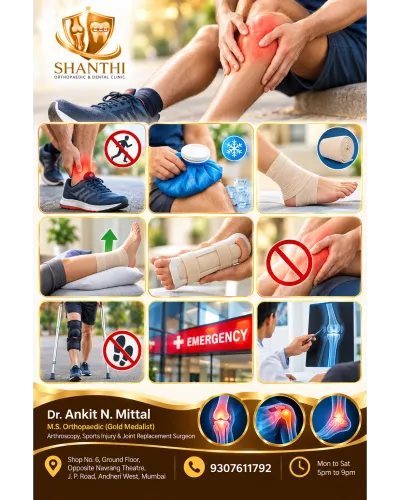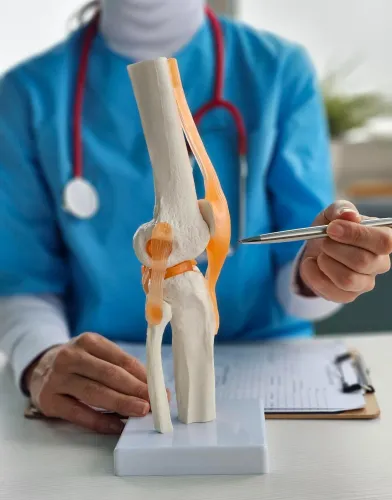
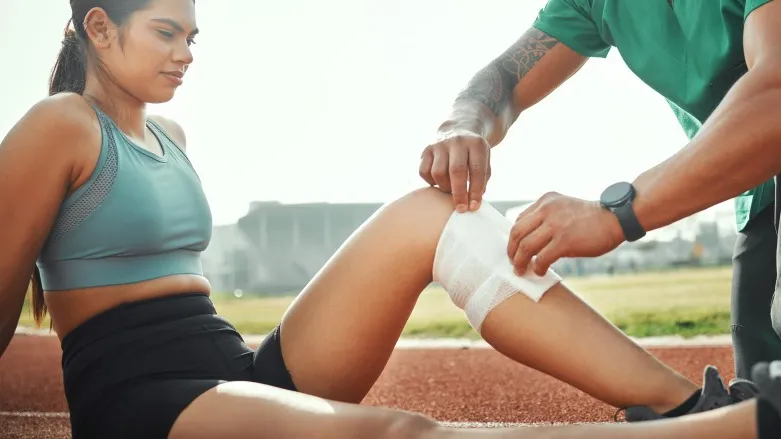
A sports injury can affect competitive athletes, recreational runners, gym users, dancers, cyclists, and people who simply enjoy weekend games. What appears to be a minor sprain can sometimes involve a ligament, tendon, cartilage, muscle, or bone injury requiring more structured management.
A sports injury specialist focuses on identifying the injured structure and planning recovery according to both healing and the patient's activity goals.
For active individuals in Jogeshwari, Maharashtra, appropriate assessment is particularly important when symptoms persist or affect performance.
Why Some Sports Injuries Keep Returning
Recurring injuries often occur when the original problem has not fully recovered.
Pain may improve before strength, balance, mobility, or neuromuscular control has returned. Going back to sport based solely on reduced pain can therefore increase the possibility of another episode.
Other contributing factors can include poor technique, sudden training increases, inadequate conditioning, inappropriate equipment, and insufficient recovery.
Signs That Deserve Assessment
Consider specialist evaluation when an injury causes:
- Significant swelling
- Persistent pain
- Joint instability
- Repeated giving way
- Inability to bear weight normally
- Reduced movement
- Weakness
- Locking or catching
- Pain that returns whenever training resumes
- Difficulty performing normal sporting movements
A direct impact, suspected fracture, visible deformity, or inability to use the injured limb requires prompt medical attention.
Treatment Should Match the Injury
Rest alone is not a complete rehabilitation programme.
Depending on the diagnosis, management may involve temporary activity modification, symptom control, progressive mobility, physiotherapy, muscle strengthening, balance training, and sport-specific rehabilitation.
Certain structural injuries may require additional interventions or surgery, but that decision should follow proper evaluation.
Returning to Sport Requires More Than Feeling Better
An athlete may be pain-free during everyday walking yet remain unprepared for sprinting, jumping, rapid direction changes, or contact.
Return-to-sport planning can consider:
- Range of motion
- Strength
- Stability
- Balance
- Functional movement
- Sport-specific loading
- Confidence in the injured area
These factors help determine whether the body is ready for the demands of the activity.
Preventing Another Injury
Prevention begins by understanding why the first injury occurred.
Gradual training progression, adequate warm-up, appropriate strength work, recovery days, correct technique, and attention to early symptoms can reduce avoidable overload.
Previous injuries should also be considered when designing training because they may alter movement patterns or increase vulnerability.
When Professional Guidance Becomes Valuable
At Shanthi Orthopaedic And Dental Clinic, musculoskeletal injuries can be evaluated to establish the likely diagnosis and determine whether imaging, rehabilitation, activity modification, or another form of treatment is appropriate.
For sports participants in Jogeshwari, the objective should not simply be returning as quickly as possible. A safer goal is returning when the injured structure has recovered sufficiently and the body can tolerate the demands of the sport.
Proper diagnosis followed by progressive rehabilitation can help patients regain movement and function while addressing factors that may contribute to repeat injury.
Keywords