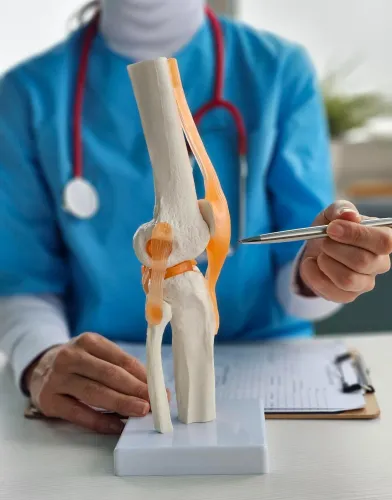
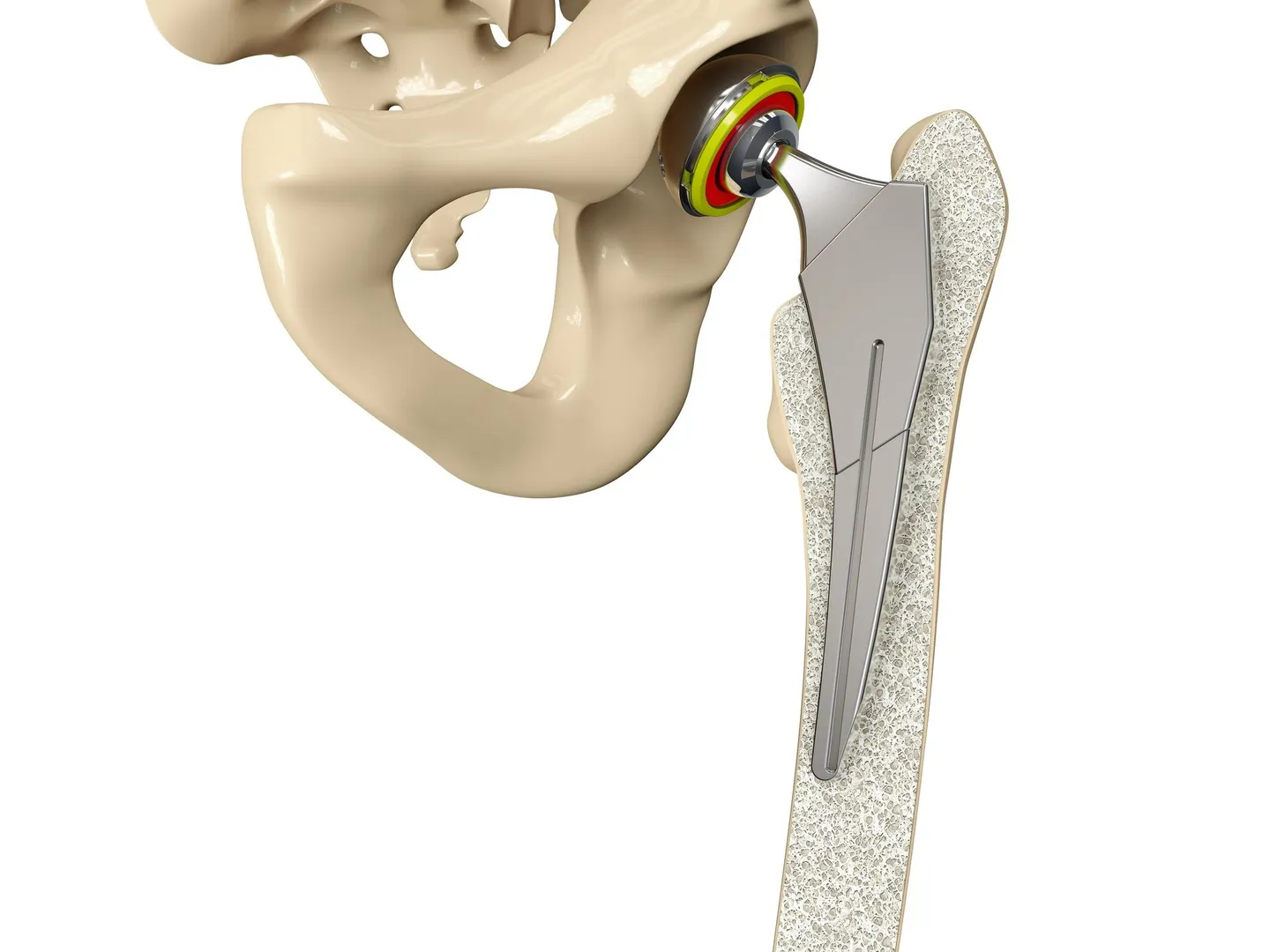
Severe hip disease can gradually make ordinary activities difficult. Walking may become limited, putting on footwear may be uncomfortable, sleep can be disturbed, and patients may begin avoiding activities because of pain or stiffness.
When symptoms become substantial despite appropriate conservative treatment, assessment by a hip replacement surgeon may help determine whether replacement surgery is suitable.
For patients in Mumbai, Maharashtra, preparation should begin well before the day of an operation.
Understand Why Surgery Is Being Recommended
Hip replacement is generally considered when joint damage produces significant symptoms and functional limitation.
Patients should understand their diagnosis, imaging findings, previous treatment, and the reason surgery is being suggested.
Important questions include:
- How advanced is the joint damage?
- What alternatives remain appropriate?
- What improvement is realistically expected?
- What limitations may remain?
- What are the important risks?
- What will rehabilitation involve?
A clear understanding helps patients make an informed decision.
Review Your General Health
Joint replacement is a major procedure, so overall health matters.
Pre-operative assessment may include medical history, blood investigations, medication review, and evaluation of other health conditions.
Patients should tell the clinical team about prescription medicines, over-the-counter products, supplements, allergies, and previous medical procedures.
Never independently stop prescribed medication before surgery unless the treating medical team advises it.
Prepare Your Home
Early recovery can be easier when the home environment is planned beforehand.
Consider commonly used areas such as the bedroom, bathroom, kitchen, and walking routes through the home.
Loose rugs, clutter, electrical cords, or other obstacles can increase fall risk. Frequently needed items can be placed within convenient reach.
The clinical team can advise whether any temporary mobility aids or home modifications are appropriate.
Understand the Rehabilitation Process
Recovery does not finish when the patient leaves hospital.
Rehabilitation generally focuses on safe mobility and progressively improving function according to the surgical plan. Instructions can vary according to the patient, procedure, and surgeon.
Following activity precautions and physiotherapy guidance is important.
Patients should avoid comparing their recovery speed too closely with someone else's experience. Age, muscle strength, pre-operative mobility, general health, and individual healing can all influence progress.
Plan Support for Early Recovery
Some patients may temporarily need assistance with transportation, household tasks, shopping, or other everyday activities.
Planning this support in advance reduces unnecessary difficulty after returning home.
Know Which Symptoms Need Medical Advice
Before discharge, patients should understand wound-care instructions, medication guidance, follow-up arrangements, and warning signs that require medical attention.
Written instructions can be particularly useful because it may be difficult to remember every detail immediately after surgery.
Shanthi Orthopaedic And Dental Clinic can assess hip symptoms and help patients understand when advanced orthopaedic evaluation may be required.
For people in Mumbai considering hip replacement, readiness involves more than selecting a surgical date. Understanding the procedure, optimizing general health, preparing the home, arranging support, and committing to rehabilitation are all important parts of the treatment journey.
Keywords