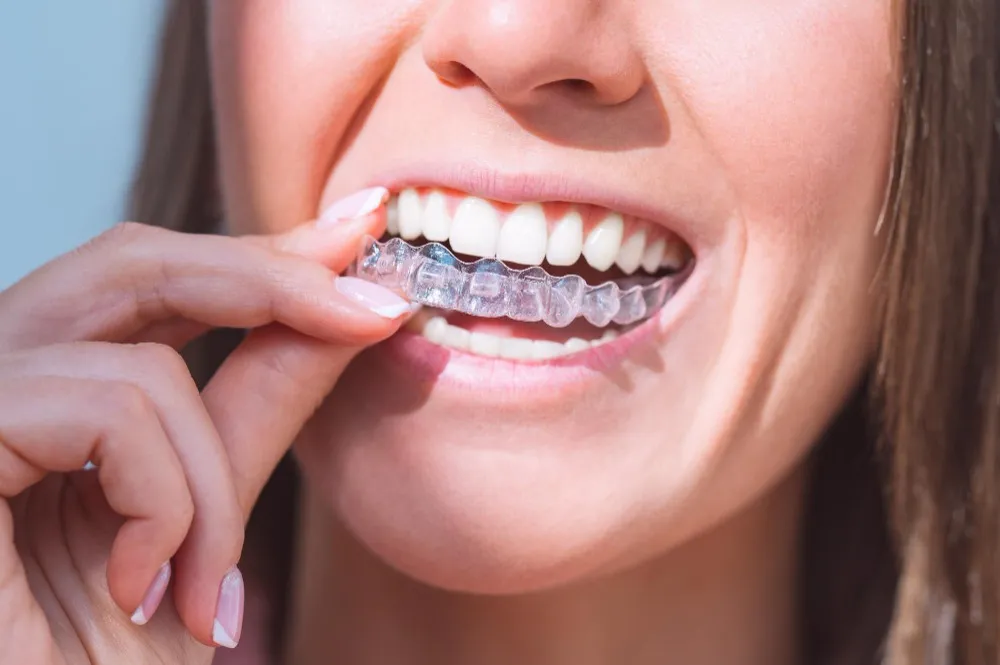
Clear aligners have become a widely considered option for people who want orthodontic correction with removable appliances. Although aligners may appear simple, effective treatment depends on accurate diagnosis, planned tooth movement, regular monitoring, and consistent patient cooperation.
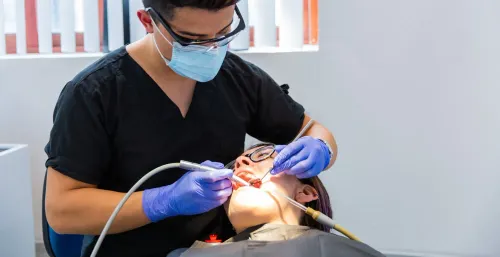
An aligners specialist assesses whether the patient's particular orthodontic problem can be predictably managed with this approach.
For patients in Vile Parle, Maharashtra, knowing what aligner treatment involves is useful before deciding whether it suits their lifestyle and dental needs.
How Clear Aligners Work
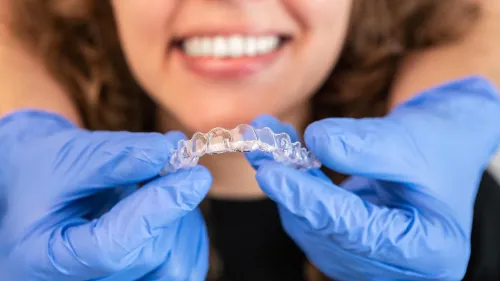
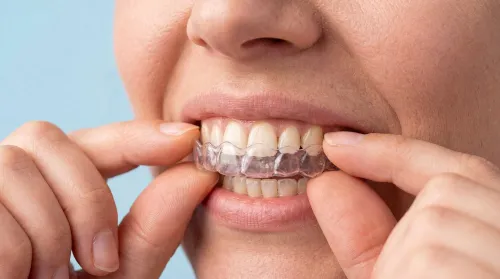
Clear aligners are custom-made trays designed to apply controlled forces to selected teeth. Patients typically progress through a planned sequence of aligners as tooth positions gradually change.
Digital planning can demonstrate intended movements, but treatment still requires clinical supervision. Teeth do not always respond exactly as predicted by software, so reviews are important.
Who May Be Suitable?
Depending on clinical assessment, aligners may be considered for concerns such as mild to moderate crowding, spacing, certain rotated teeth, and selected bite problems.
However, suitability cannot be determined merely by looking at how crooked the front teeth appear.
The clinician must assess:
- Bite relationship
- Tooth position
- Gum condition
- Bone support
- Available space
- Required tooth movement
- Existing dental restorations
- Patient ability to follow wearing instructions
More complex orthodontic conditions may require additional techniques or a different treatment method.
The Importance of Wearing Time
One major difference between fixed braces and aligners is removability.
This offers convenience for eating and cleaning, but it also places more responsibility on the patient. Aligners must generally be worn according to the clinician's prescribed schedule.
Frequently leaving trays out for extended periods can prevent teeth from tracking according to the treatment plan.
Cleaning During Treatment
Aligners should be removed for eating according to professional instructions. Teeth should be cleaned properly before the trays are replaced.
Good hygiene matters because food debris or plaque trapped beneath an aligner can increase dental problems.
The trays themselves also need appropriate cleaning. Very hot water or unsuitable cleaning methods may damage or distort some materials, so patients should follow the instructions supplied with their system.
Are Aligners Invisible?
Clear aligners are relatively discreet, but describing them as completely invisible would be unrealistic. Attachments may sometimes be placed on selected teeth to facilitate movement.
These attachments can make the appliance slightly more noticeable, although many patients still prefer its appearance compared with conventional fixed appliances.
Reviews Still Matter
Clear aligner treatment should not be treated as an unsupervised cosmetic product. Scheduled clinical reviews allow progress to be evaluated and problems to be identified.
Some cases may require refinements or modifications if the teeth do not move as originally anticipated.
Patients considering clear aligners can have their suitability assessed at Shanthi Orthopaedic And Dental Clinic.
For people in Vile Parle, choosing aligners should ultimately depend on clinical suitability rather than appearance alone. A properly planned treatment programme considers oral health, bite function, expected movement, patient compliance, and long-term retention after active treatment is completed.
Keywords