Crowded teeth are not always just an appearance concern, and a bite that looks nearly normal can still affect chewing, cleaning, tooth wear or jaw movement. By recognising the warning signs, choosing the right timing and knowing what an assessment involves, you can decide whether to book an orthodontic consultation, seek urgent dental care or continue routine monitoring.
Key takeaways
- Book an assessment for crowding, gaps, protruding teeth, or trouble closing your lips.
- Children should have an orthodontic check by age seven.
- Seek urgent dental care for severe pain, swelling, trauma, or uncontrolled bleeding.
- An initial visit checks your bite, eruption pattern, jaw movement, and treatment needs.
Which signs justify an orthodontic consultation?
An orthodontic consultation is justified when tooth position or bite affects appearance, cleaning, comfort, chewing, speech, or jaw movement. Crowded teeth, overlapping teeth, large gaps between teeth, protruding teeth, or difficulty closing your lips are clear reasons to book an assessment.
A persistent crossbite deserves attention, especially when an upper tooth bites inside a lower tooth. Without assessment, the bite can displace teeth, irritate or expose gum tissue, and encourage the lower jaw to shift to one side during closure.
Prominent upper incisors also warrant review after dental trauma or when your lips cannot comfortably cover them.
Other signs include:
- An overbite, underbite, or open bite
- Food trapped between teeth or repeated difficulty brushing and flossing
- Repeated biting of the cheek or palate
- Jaw shifting during closure, facial asymmetry, or jaw strain
- Difficulty chewing, changed speech, or abnormal tooth wear
| Concern | What you notice | Why assessment matters |
|---|---|---|
| Cosmetic | Teeth look crooked, gapped, or prominent but function normally | You can discuss appearance, treatment choices, time, and retention |
| Cleaning-related | Crowding or overlapping teeth trap food and make brushing or flossing difficult | Plaque retention can contribute to gum irritation and inflammation |
| Functional | Crossbite, bite shift, chewing or speech difficulty, cheek biting, or tooth wear | The cause may involve tooth position, jaw alignment, or another dental problem |
A consultation is worthwhile even when the concern appears mild if cleaning, gum health, chewing, speech, or jaw comfort is affected.
When should children, teenagers and adults be assessed?
Most children do not need braces at seven, but an age 7 orthodontic assessment can reveal problems while the first permanent molars and incisors are erupting. It gives an orthodontist time to identify a problem before all permanent teeth appear.
1. Arrange an orthodontist for children review by about age 7 when you want more than routine eruption monitoring. The assessment can detect severe crowding, crossbite, missing teeth, protruding incisors and jaw-growth patterns that could become harder to correct later. It does not mean treatment starts immediately; the orthodontist may recommend observation.
2. Seek an earlier review for an open bite, severe overbite, marked overjet, posterior crossbite, major crowding, delayed eruption or a persistent thumb- or finger-sucking habit. Timing depends on whether the cause is tooth position, the habit or jaw growth.
3. Plan a teenage orthodontic consultation as permanent teeth erupt, especially when teeth overlap, a bite shifts or a tooth remains absent while its matching tooth has appeared. A general dentist can monitor eruption, but an orthodontist is trained to diagnose tooth-position and jaw-alignment problems.
Adults can have an adult orthodontic assessment at any age. Treat active tooth decay and uncontrolled gum disease first, because appliances create plaque-retention areas and tooth movement needs healthy supporting gums and bone. A consultation can then distinguish a correctable tooth-position problem from a jaw discrepancy that needs coordinated specialist planning.
Can a mild-looking problem hide a bite or eruption issue?
Yes: mildly crooked teeth can conceal a hidden bite problem or eruption issue. Front teeth may look almost straight while the back teeth meet in a crossbite, the jaw shifts during closure, tooth wear develops, or food becomes trapped between teeth.
Look for these less obvious warning signs:
- A permanent tooth remains under the gum after its matching tooth has erupted.
- Delayed tooth eruption occurs on one side, creating an uneven pattern.
- A canine moves toward the palate instead of following the normal dental arch.
- Crowding develops beneath the gum before it becomes obvious in the smile.
- Brushing or flossing remains difficult, or the same gum area becomes inflamed repeatedly.
An examination can show whether the cause is tooth position, jaw growth, an eruption problem or a habit such as persistent thumb-sucking. If an impacted tooth is suspected, a dental radiograph can locate it and help determine whether early space creation, monitoring or later surgical exposure is appropriate.
Waiting can leave less room for the tooth to erupt and complicate treatment.
You do not need an appearance concern to seek assessment. Trouble cleaning, recurrent gum inflammation, chewing difficulty, speech changes, repeated cheek or palate biting, or jaw shifting all justify a review.
When do you need urgent dental care instead?
Severe toothache, facial swelling, fever, uncontrolled bleeding, loose teeth, significant gum bleeding or a facial injury calls for urgent dental assessment, not a routine orthodontic appointment. A knocked-out or displaced tooth also needs prompt dental or emergency care because delaying treatment can reduce the chance of stabilising or saving it.
- Contact a dentist or emergency service promptly for severe pain, swelling, fever, uncontrolled bleeding, a loose tooth or significant gum bleeding.
- Seek emergency assessment after a facial injury, especially if a tooth is knocked out, displaced or accompanied by jaw pain, numbness or difficulty breathing.
- Arrange timely dental evaluation for delayed or asymmetric eruption: for example, when one permanent tooth has appeared but its matching tooth has not, or a canine is moving toward the palate. An examination and radiograph may be needed to locate an impacted tooth and decide whether space creation or surgical exposure is appropriate.
Treat swelling, infection and trauma before orthodontic planning. Once the acute condition is stable, an orthodontist can plan tooth movement.
Adults also need dental and periodontal care before moving teeth if they have active decay, uncontrolled gum disease or poor supporting bone. Braces and aligners create plaque-retention areas, so untreated disease can worsen enamel damage, gum inflammation or tooth support.
What will the first orthodontic consultation determine?
The first orthodontic consultation determines whether the problem involves tooth position, jaw growth, eruption, or another dental issue—and what should happen next.
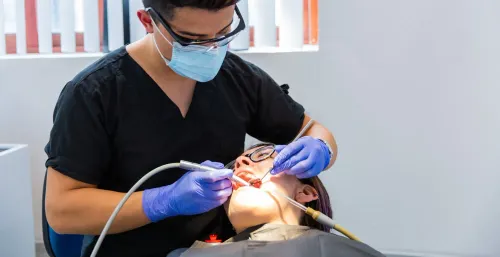
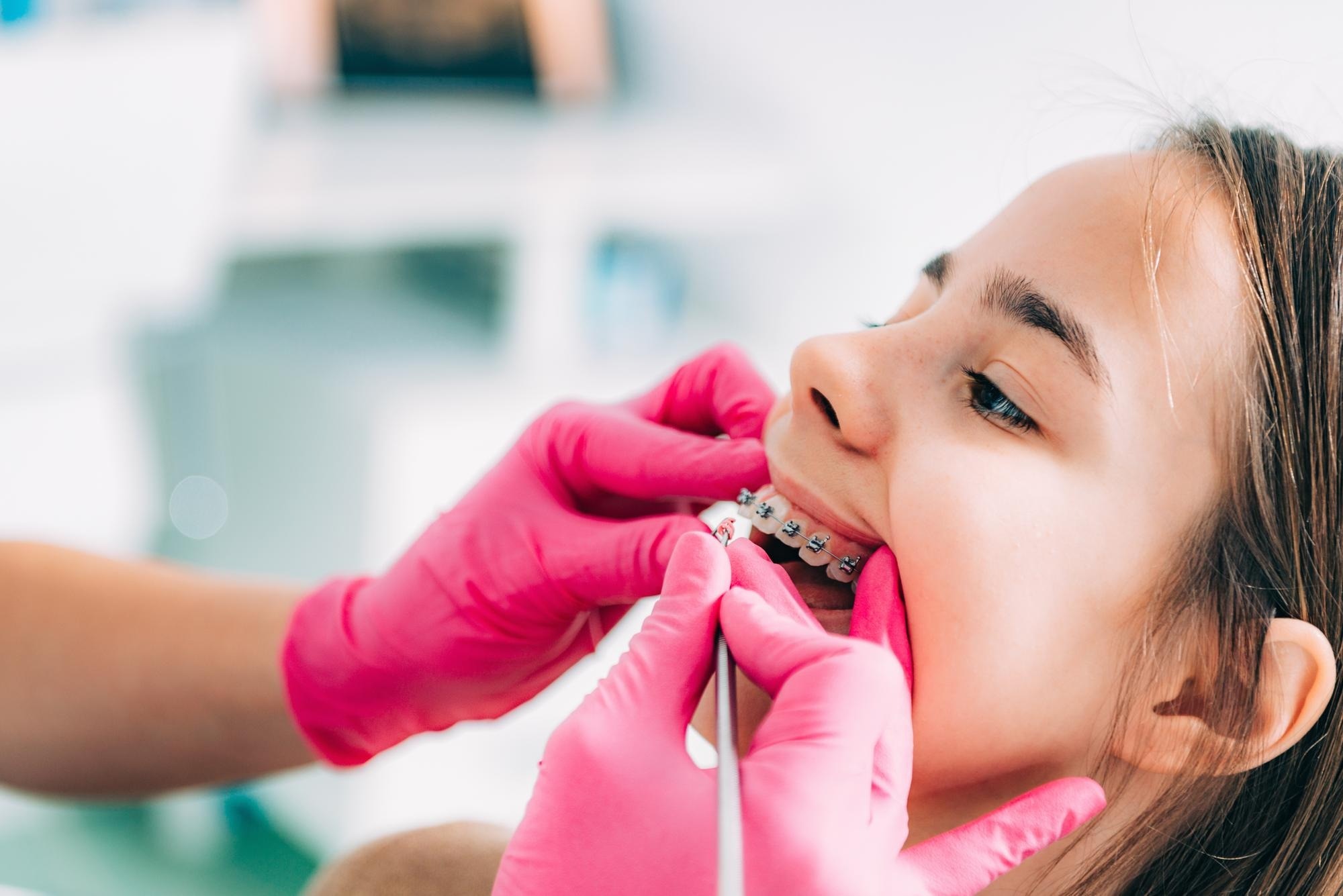
1. The orthodontist reviews your medical and dental history, then examines your teeth, bite, gums, jaw movement, facial symmetry and ability to close your lips. They discuss facial growth, chewing or speech concerns, tooth wear, cleaning difficulty and the consequences of leaving the problem untreated.
2. Records are selected for the clinical question, not collected automatically. These can include intraoral photographs, digital scans or physical impressions, a panoramic radiograph to view developing, missing or impacted teeth, and a lateral cephalometric radiograph to examine tooth position and jaw relationships.
The orthodontist explains radiation exposure before any X-ray, and not every patient needs every record.
3. You discuss suitable treatment alternatives, expected duration, risks, appointments, retention after active treatment and what happens if you choose observation. A consultation does not commit you to treatment.
The examination also separates a tooth-position problem from a jaw-growth discrepancy. A substantial skeletal mismatch may need coordinated planning with an oral and maxillofacial surgeon, usually after facial growth is largely complete; braces alone may not correct that underlying relationship.
For patients in Andheri West, Shanthi Orthopaedic And Dental Clinic can provide a practical starting point for deciding whether orthodontic assessment is appropriate and whether dental treatment should come before orthodontic planning.
Related service
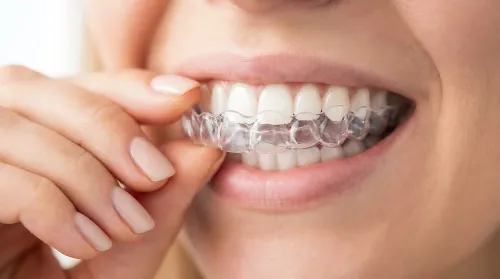
Dental services Invisalign and Aligners/ Braces -Metal/ceramic/self-ligating Invisalign, Clear Aligners & Braces at Shanthi Orthopaedic and Dental Clinic Achieve a straighter, healthier-looking smile with professional... View service → |
Frequently asked questions
Which signs justify an orthodontic consultation?
Book an orthodontic assessment for crowded, overlapping, widely spaced, or protruding teeth; trouble closing your lips; chewing or speech changes; difficulty cleaning; or jaw discomfort and movement problems.
When should children, teenagers and adults be assessed?
Children should have an orthodontic check by age seven. Teenagers can be assessed when permanent teeth have erupted or alignment concerns appear. Adults can seek an assessment at any age if teeth, bite, cleaning, comfort, or appearance causes concern.
Can a mild-looking problem hide a bite or eruption issue?
Yes. A small visible overlap can occur with an impacted tooth, crossbite, excessive overbite, underbite, open bite, or abnormal eruption path. An examination and dental imaging can identify problems that are not visible in photographs.
When do you need urgent dental care instead?
Seek urgent dental care for severe tooth pain, facial swelling, fever, a knocked-out or badly displaced tooth, significant dental trauma, or bleeding that does not stop with firm pressure. These problems need prompt treatment before routine orthodontic planning.
What will the first orthodontic consultation determine?
The consultation evaluates tooth position, bite relationships, jaw movement, eruption pattern, oral hygiene, and facial growth. The orthodontist may recommend photographs, dental X-rays, or other records before discussing treatment options and timing.